


Rodada inovadora de investimentos impulsiona produção do café aliada a créditos de carbono.
Da Assessoria
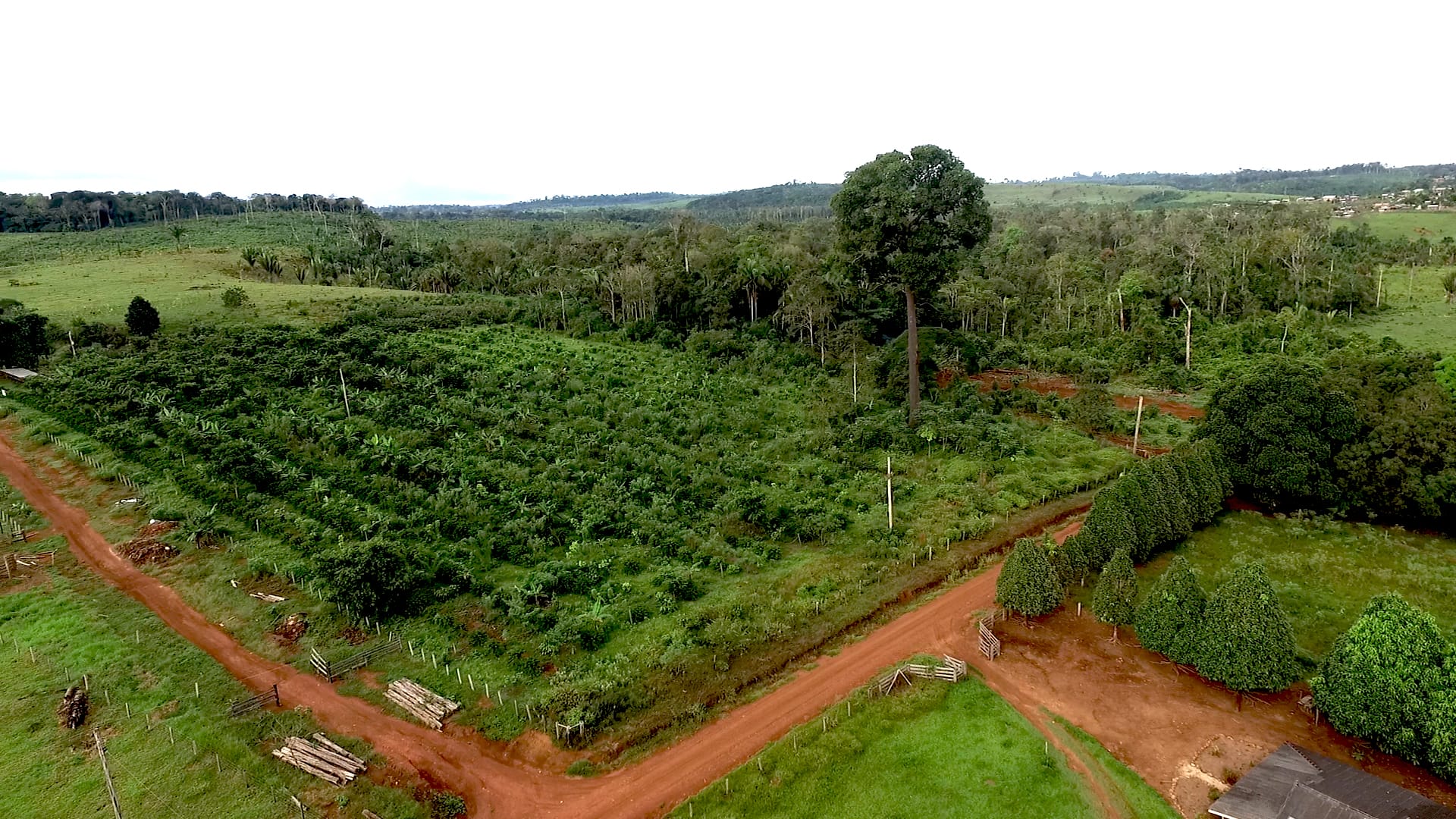
Foto: Arquivo Idesam
Idesam, Amazônia Agroflorestal, Mirova Natural Capital e Axcell formalizaram uma parceria que garantiu a captação de investimentos de R$ 11 milhões para expandir a produção do Café Apuí Agroflorestal de modo sustentável, com previsão de devolução do investimento em créditos de carbono.
Com a injeção de capital, realizada junto à empresa Amazônia Agroflorestal em parceria com o Idesam, serão incluídas mais de 300 famílias no cultivo do café em Apuí, sul do Amazonas. O município é um dos mais pressionados pelo desmatamento no estado.
Os investimentos na empresa – incubada pelo Idesam e hoje um negócio de impacto criado para buscar mercados para o café – vão permitir escalonar o modelo de negócios com expansão das áreas de agroflorestas plantadas, aumento do número de famílias beneficiadas e melhoria da qualidade do café. Será possível expandir a produção para mais de 600 hectares ao longo dos próximos 10 anos.
“Um dos maiores desafios do Idesam é viabilizar a continuidade e expansão de projetos que demonstram viabilidade técnica e econômica, mas não conseguem acessar capital e investimentos para ganho de escala. Conseguir atrair o aporte de investidores privados como a Mirova e Axcell é a comprovação de que estamos no caminho certo, e esperamos que outras organizações possam seguir a mesma trajetória”, explica Mariano Cenamo, Diretor de Novos Negócios do Idesam, que deu início ao projeto Café Apuí Agroflorestal a cerca de 10 anos atrás.
“Receber investimentos desse porte é motivo de grande felicidade para nós e mostra a seriedade de todo o trabalho feito em Apuí. Nossa missão é alavancar a produção agroflorestal no Amazonas e receber esses aportes tornam esse sonho realidade. Será possível investir em novos maquinários, capacitações, atingir novos mercados, como mercado exterior em café verde, entre outras melhorias”, comemora Jonatas Machado, diretor comercial da Amazônia Agroflorestal.
Em volume de produção, isso pode representar um salto para mais de 12 mil sacas de café agroflorestal por ano, o que representa um crescimento superior a 5.000%, no comparativo com a produção de 2021, que foi de 231 sacas. O investimento traz também a possibilidade de ampliar a cesta de produtos e atingir novos mercados com o fortalecimento da presença no e-commerce.
Investimento e inovação fomentam escala do negócio e conservação da floresta
A rodada de investimentos foi liderada pela empresa Mirova Natural Capital, responsável pela gestão do Amazon Biodiversity Fund Brazil (ABF), fundo comercial privado de investimento de impacto lançado em 2019 e administrado pela gestora brasileira Vox Capital. Desenhado em parceria com a USAID/Brasil e Aliança Biodiversity e CIAT, está registrado como um Fundo de Investimento e Participações (FIP), com vigência de 11 anos e previsão de captar até R$ 300 milhões) no período. Os gestores do fundo já estruturaram 4 negócios e outros 20 estão em desenvolvimento.
“Estamos muito felizes em conseguir investir neste projeto icônico e de alto impacto. Este projeto trará conhecimento aos pequenos produtores numa região importante para o desenvolvimento da bioeconomia da Amazônia, e conectar-lhes aos mercados de café e serviços ambientais. O potencial do projeto é enorme, fortalecido pelo grupo de sócios e parceiros com ampla experiência no Amazonas”, Nick Oakes, diretor de Investimentos do fundo ABF.
A outra investidora, Axcell, é uma aceleradora de impacto recém-criada, com foco em negócios de impacto da Amazônia, sediada em Manaus. “O aporte na Iniciativa Café Apuí é parte da nossa estratégia de investir em empreendimentos sustentáveis e de impacto, que fortaleçam todo o ecossistema da cadeia produtiva no Amazonas, estando a empresa com ótima governança e maturidade”, destaca Átila Denys, investidor-anjo em negócios de impacto e acionista da Axcell.
O contrato com as investidoras está baseado no retorno em créditos de carbono, o que beneficiará também os produtores de café, que terão retorno pela atividade de conservação que promovem nas áreas de floresta de suas propriedades. O projeto de carbono ainda está em fase de desenvolvimento, e em breve os termos para repartição de benefícios por serviços ambientais serão firmados com os produtores. A expectativa é de que haja ainda mais desenvolvimento econômico e conservação florestal incentivada pelos créditos de carbono gerados pelo projeto.
“É um arranjo bastante inovador, e que para além de ser uma solução interessante, reconhece o papel que os produtores têm na conservação de florestas. O Idesam, como parceiro técnico do projeto de carbono, está muito satisfeito em poder trazer ainda mais incentivos aos seus parceiros no campo”, explica Victoria Bastos, coordenadora de Mudanças Climáticas do Idesam.
A trajetória do Café Apuí, de projeto incubado pelo Idesam à criação de uma empresa de impacto com uma estratégia inovadora de venture-building, foi registrada na publicação ‘Do Projeto à Empresa de Impacto: a Experiência do Café Apuí Agroflorestal’, lançada em 2020.
O escritório SBSA Advogados foi responsável pela construção jurídica da empresa Amazônia Agroflorestal por meio de uma operação similar a um spin-off do Idesam e prestou apoio jurídico fundamental para a rodada de investimento. “O investimento foi estruturado como contrato de mútuo conversível com previsão de pagamento em créditos de carbono. Esse é certamente um diferencial inovador dessa operação pois, além do resultado final esperado de expansão da produção de café agroflorestal, os meios para a sua execução geram impacto positivo com a comercialização de créditos de carbono ”, explica a advogada Aline Gonçalves, sócia de Inovação, Negócios de Impacto e ESG no escritório SBSA Advogados.[:en]Being recognized with the FSC seal is the result of a work being carried out by Idesam with the extractivists from the Uatumã Reserve since 2018 and so far this is the only experience in the state of Amazonas to include the timber and non-timber categories.
By Samuel Simões Neto
Image: Aldemar Matias
January became an important milestone for the actions undertaken by Idesam in the Uatumã Sustainable Development Reserve (RDS). After a long work that involved capacity building activities, technical assistance and institutional support, the Reserve’s main association, the AACRDSU (Association of Agroextractivist Communities of the Uatumã RDS) received, from the Institute for Forest and Agriculture Management and Certification (Imaflora), the FSC’s (Forest Stewardship Council) Forest Management and Chain of Custody certifications.
The certification, which is valid until January 2027, includes a production area of 44 thousand hectares. It encompasses timber and non-timber forest products developed and sold by the Association, which had its structuring supported by Idesam’s Cidades Florestais Project (Forest Cities in English), financed by the Amazon Fund/BNDES.
The products are part of the Inatú Amazônia collective brand, launched in August 2020, which today has a line with six oils (fixed and essential), from products of the Amazon biodiversity, as well as objects made of wood.
The main expectation, according to the technical director of Idesam André Vianna, is that, from now on, the products will be able to access new markets with a more interesting return from the commercial point of view. Still, the certificate does not have only this single goal.
“Since the beginning of the certification process, the collaborators from AACRDSU and Idesam focused on the use of the criteria and indicators of the FSC certification standard as a tool to improve the management of productive activities”, explains Vianna.
“For us, this is a very big achievement, it is the confirmation that our work was not – and will not be – in vain. The certification shows us that it is worth waiting longer and doing ‘everything the right way’ to have this result”
– Diana Prado Costa, president of AACRDSU
For Vianna, the use of the FSC system allows the certificate holder to monitor its activities not only considering the quality of the operations, but also includes criteria such as: evaluation and mitigation of environmental and social impacts; safety and health aspects of the worker; among others.
According to FSC data, today, in the Amazon there are 7 certified Community Forestry Management plans, being the Uatumã plan the only one that contemplates both categories, timber and non-timber (such as resins, oils and fruits). In the Amazon, until then, only the community Vila Céu do Mapiá, located in the Purus National Forest, had obtained the timber seal for communities.
“In recent years we have seen, besides a greater participation of small and medium-sized producers in the FSC system, a diversification of certifications that goes beyond timber. The story of the Uatumã association clearly exemplifies this trend and represents a paradigm shift – the forest in all its potential and the appreciation of the people who live and survive on it”, celebrates Daniela Vilela, Executive Director of FSC Brazil.
In the eyes of Bruno Castro (Imaflora’s certification coordinator), certifying the Association means contributing to the development of community forest management in the state, increasing the conditions for forest management to keep being a vector for territorial development, improving people’s quality of life and valuing the standing forest.
“It means expanding the access to products from sociobiodiversity with the FSC certification label, what means, products with responsible origin and managed with good environmental, social and economic practices”
– Bruno Castro, Imaflora’s certification coordinator
To obtain the certification, Idesam held different courses to train the managers, both in technical, safety, and management aspects. Idesam’s technicians also monitor the field actions and develop the necessary improvements with the managers.
In addition, the Amazon Fund financing allowed the project to hire consultants to build the management system now used by the AACRDSU Collaborators Group, and also allowed for the entire forest auditing process.
The effort was worth it. Castro lists a number of benefits that can be obtained by the Association. The first of these is the use of certification itself as an important business management tool: “The association can develop and improve the organization of its relevant documentation, the definition of important activities for the success of the management, the elaboration of management plans according to the local reality, the elaboration of internal procedures and protocols, among other points.”
In addition to a series of improvements in social organization, management practices, and workers’ health and safety conditions, the auditor also highlights traceability as one of the results with the greatest impact in the process. The procedures created, the monitoring, and the reliable records prevent the certified product from being mixed with products of unknown origin. “This result is important to guarantee the source of the product offered to the consumer”, he adds.
Bruno finishes the list of benefits with the financial gains that can be generated for the families that participate in the activity. He stresses that, with the FSC mark, the association can seek insertion in new markets, which value products of responsible origin.
“For us, this means the arrival of better days, with our production gaining and generating increasingly greater value”, adds Diana.